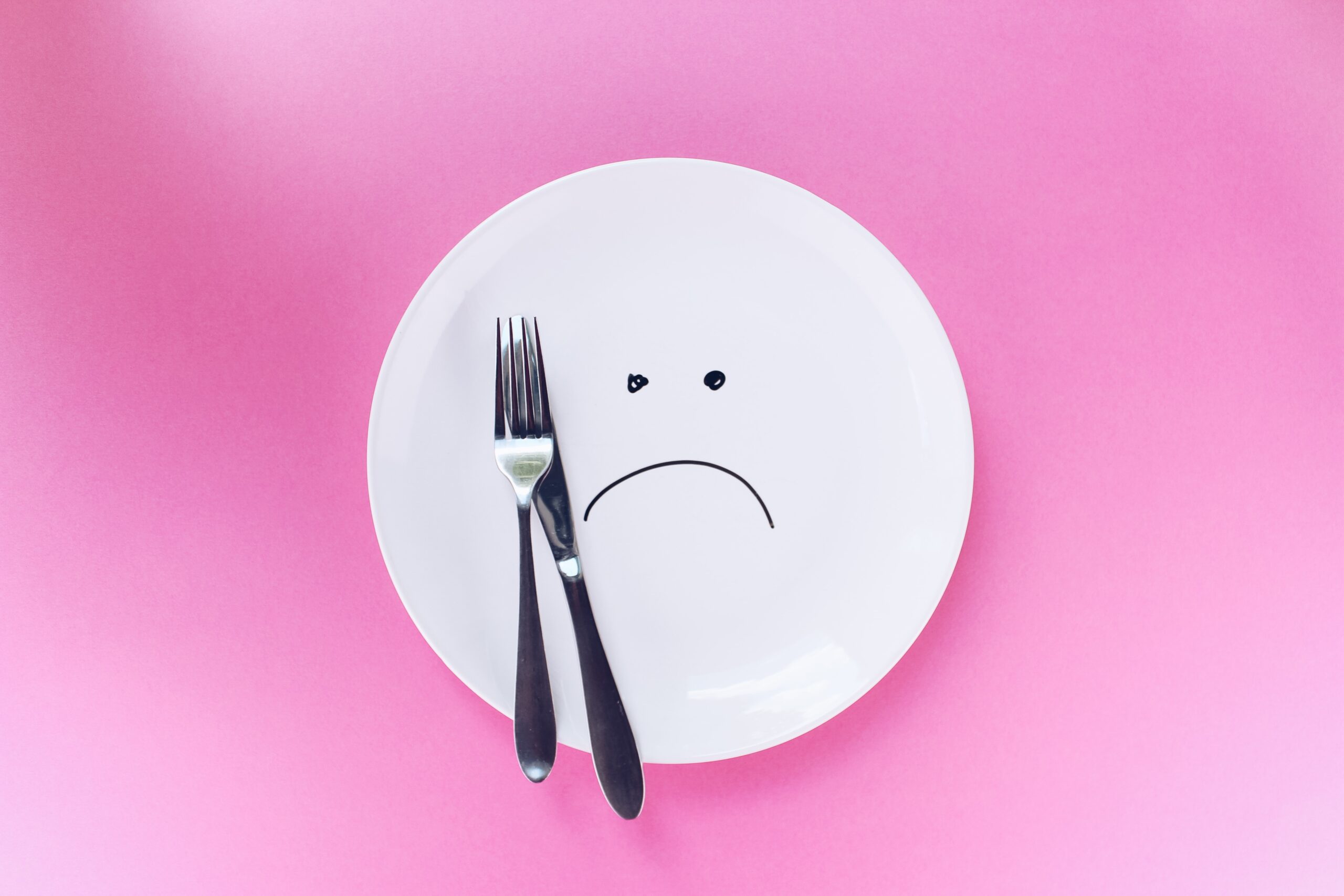
Many people worry about whether they’re eating for physical reasons or emotional ones. Often, the concern isn’t just about food, it’s about what it might mean if emotions are involved.
But emotional eating isn’t something to diagnose or eliminate. It’s a common human response to stress, overwhelm, or the need for comfort. Learning to recognize it is less about control and more about understanding what your system is asking for.
What “Emotional Eating” Usually Looks Like
Emotional eating doesn’t follow one pattern. It isn’t always dramatic or obvious, and it doesn’t mean something is wrong.
For many people, it shows up subtly, such as:
- reaching for food when feeling overwhelmed or restless
- eating past fullness without quite noticing
- craving specific textures or comfort foods
- eating quickly or while distracted
- wanting relief more than nourishment
These moments often happen when emotions or stress haven’t had another place to land.
How Emotional Hunger Feels Different From Physical Hunger
Physical hunger tends to build gradually and is usually satisfied by a range of foods. Emotional hunger, on the other hand, often feels more immediate and specific.
However, the difference isn’t always clear-cut. Many experiences of hunger include both physical and emotional elements. Rather than trying to separate them perfectly, it can help to simply notice what’s happening in the moment.
Pausing With Curiosity Instead of Criticism
If you notice emotional eating patterns, the most helpful response is often curiosity.
You might gently ask:
- What has today been like for me?
- What am I needing relief from right now?
- What does my body feel like in this moment?
These questions aren’t meant to stop behavior. They’re meant to widen awareness, which often reduces shame and reactivity on its own.
Emotional Eating as Information
Rather than seeing emotional eating as a problem to fix, it can be useful to view it as information. It may signal:
- emotional overload
- unmet needs
- depletion
- stress without recovery
- a desire for comfort or grounding
When food is the most accessible form of care, it makes sense that people reach for it.
A Gentler Perspective
You don’t need to “outgrow” emotional eating to be well. What often matters more is developing additional ways to respond to emotion, so food doesn’t have to carry all the weight.
Understanding emotional eating is not about restriction or self‑control. It’s about noticing patterns with kindness and allowing more flexibility in how you meet your needs.
Final Thoughts
If questions about emotional eating bring up frustration or self‑judgment, you’re not alone. Many people have learned to evaluate themselves harshly around food.
Supportive therapy can offer a space to understand these patterns without pressure to change them immediately. Often, awareness itself begins to soften the cycle.
Question 1
Is emotional eating a bad habit I need to stop?
Answer
No. Emotional eating is a common response to stress, overwhelm, or the need for comfort. Rather than something to eliminate, it’s often more helpful to understand what need the behavior is responding to.
Question 2
Can emotional eating happen even if I’m physically hungry?
Answer
Yes. Many eating experiences include both physical and emotional components. Hunger isn’t always purely physical, and noticing emotional context can help reduce confusion and self‑criticism.
Question 3
How can I tell the difference between emotional and physical hunger?
Answer
Physical hunger often builds gradually and is satisfied by a variety of foods. Emotional hunger may feel more immediate or specific. However, the distinction isn’t always clear, and it’s okay to approach this with curiosity rather than certainty.
Question 4
Can therapy help with emotional eating without focusing on diets or control?
Answer
Yes. Therapy can provide a space to explore emotional patterns, stress, and self‑compassion without emphasizing restriction or food rules. The goal is understanding, not fixing.
If this reflection resonated with you and you’d like support exploring identity, self‑worth, or life transitions, you’re welcome to reach out. You can connect with me here.
Helpful Links
What’s a therapy session like?