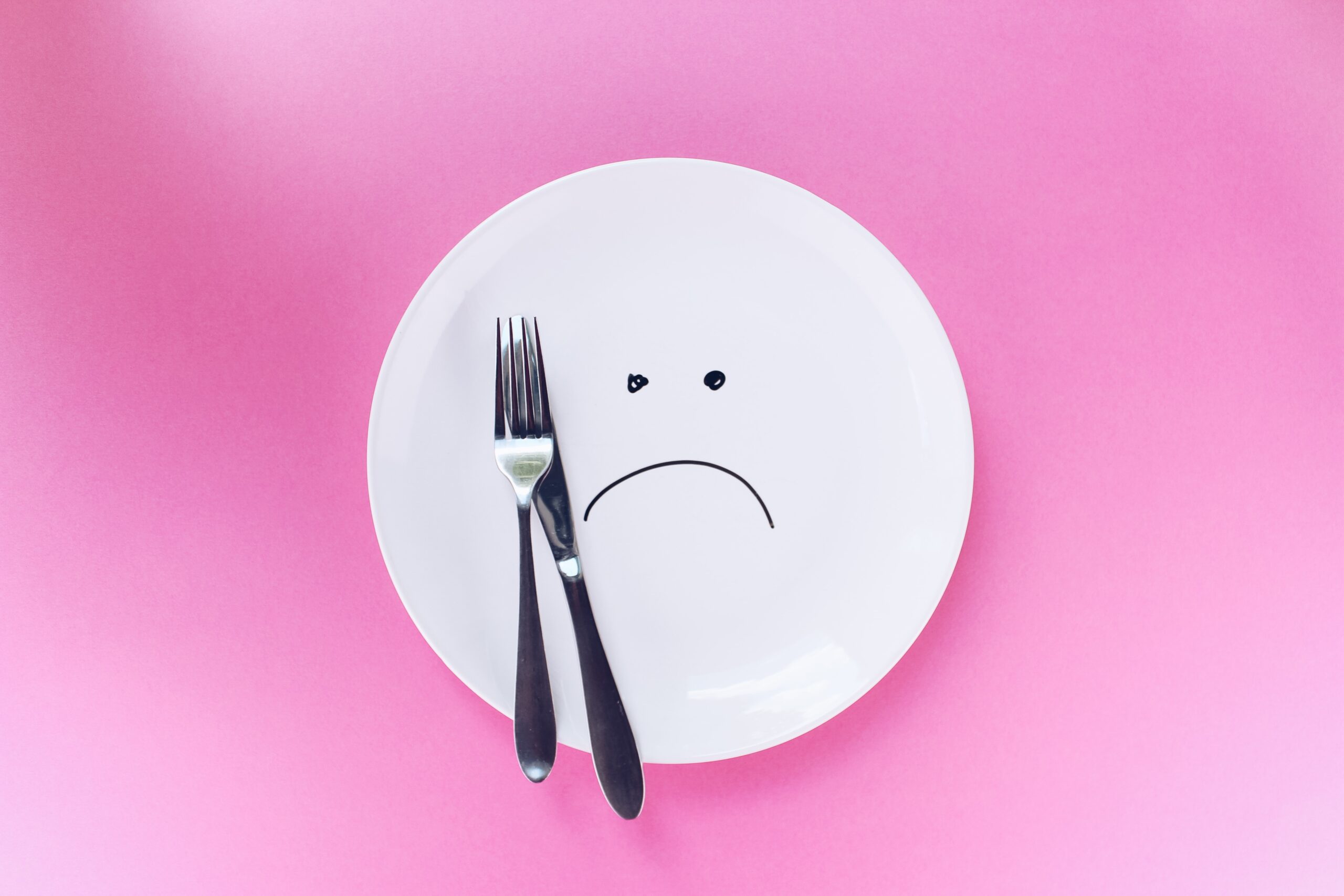
Many articles about emotional eating are framed as strategies to “stop” it. That language can create more pressure, especially for people who are already carrying guilt or self‑criticism around food.
Emotional eating itself is not a failure or a bad habit. It’s often a reasonable response to stress, fatigue, emotion, or unmet needs. Shifting the relationship with emotional eating usually begins with understanding, not control.
Rather than offering rigid rules, the reflections below are meant to help you notice patterns gently, so you can respond with more care.
1. Notice the Context, Not Just the Food
Emotional eating rarely appears in isolation. Instead, it tends to show up within a larger context—long days, unacknowledged stress, emotional labor, or not having enough space to pause.
Before focusing on what you ate, it can be more helpful to notice:
- how your day unfolded
- whether you felt rushed, depleted, or overwhelmed
- what emotions were present nearby
Seen this way, eating becomes part of a broader story rather than a single behavior to judge.
2. Pay Attention to Pace
Many people notice emotional eating through speed, eating quickly, distractedly, or without much awareness.
Rather than trying to slow down intentionally, which can feel forced, you might simply notice:
- How fast is this happening?
- Am I present or elsewhere mentally?
Awareness alone often creates a natural pause, without needing to impose rules.
3. Get Curious About What the Body Is Asking For
Food often becomes the fastest form of relief because it’s available, familiar, and sensory.
At times, emotional eating may signal needs such as:
- rest
- comfort
- grounding
- reassurance
- a break from mental effort
Food is not the “wrong” response, it may just be the only one currently accessible.
4. Soften the Inner Dialogue
For many people, the most painful part of emotional eating isn’t the eating itself, it’s the commentary that follows.
Shifting from self‑criticism to curiosity can sound like:
- “Something was difficult there.”
- “I reached for comfort because I needed it.”
This shift alone often changes the pattern over time.
5. Expand Options Gently
The goal isn’t to replace emotional eating, but to add other forms of response so food doesn’t have to do all the emotional work.
This might include:
When options expand, choices feel less urgent and less loaded.
6. Expect Change to Be Non‑Linear
Patterns around food, stress, and emotion don’t change in straight lines. Emotional eating may lessen, reappear, or look different across seasons of life.
Progress here is often quieter than expected, and rooted in self‑trust rather than control.
A Closing Thought
Emotional eating doesn’t mean something is wrong with you. Often, it reflects how well your system has learned to cope with pressure.
Understanding this pattern with kindness, rather than trying to eliminate it—creates space for a more flexible, caring relationship with food and with yourself.
If emotional eating feels tied to stress, identity, or self‑worth, therapy can offer a place to explore those connections without judgment or diet‑focused pressure.
Do I need to stop emotional eating to have a healthier relationship with food?
Answer
No. Emotional eating is a common response to stress or emotion.
Instead of stopping it, many people benefit from understanding it with more curiosity and compassion.
Question 2
Why does emotional eating feel hard to control?
Answer
Often, emotional eating happens when the nervous system is seeking relief.
In those moments, food is an accessible and familiar way to soothe discomfort, which can make the pattern feel automatic.
Question 3
Can emotional eating change without strict rules or diets?
Answer
Yes. Many people notice changes when self‑criticism softens and awareness grows.
Over time, additional ways of responding to emotion can naturally reduce urgency around food.
Question 4
When might therapy be helpful for emotional eating patterns?
Answer
Therapy can be helpful when emotional eating feels connected to stress, self‑worth, or overwhelm.
Rather than focusing on control, therapy often emphasizes understanding patterns and responding with care.
If this resonated with you and you’d like to explore these themes more, you’re welcome to reach out. You can connect with me here.
Helpful Links
- National Eating Disorder Associations (NEDA) – https://www.nationaleatingdisorders.org
- National Alliance for Eating Disorders – https://www.allianceforeatingdisorders.com
What’s a therapy session like?