Have you ever looked at your life and thought:
“I know I’ve changed, but I thought I’d be further along by now.”
Many people assume progress should feel obvious.
Healing seems like it should feel better.
Growth seems like it should be obvious.
And progress seems like it should feel reassuring.
Personal growth is often more gradual and less obvious than we expect.
Sometimes change is happening beneath the surface long before we fully recognize it.
This can be confusing.
If change is happening, why doesn’t it always feel like it?
We Tend to Measure Progress From the Wrong Reference Point
Imagine someone learning a new language.
If they compare themselves to where they started a year ago, they may notice tremendous growth.
If they compare themselves to fluency, they may feel discouraged.
The same thing often happens in emotional growth.
A person who once avoided every difficult conversation might now have several uncomfortable conversations each month.
Someone who once felt consumed by anxiety may still experience anxiety but be handling it with more flexibility and resilience.
A person who spent years criticizing themselves might now occasionally respond with self-compassion.
These changes matter.
Yet many people focus less on how far they have come and more on how far they believe they still have to go.
As a result, progress can become surprisingly difficult to recognize.
Growth Often Happens Gradually
Many meaningful changes unfold slowly.
We rarely wake up one morning and discover we’ve become more confident, emotionally aware, or psychologically flexible.
Instead, change often occurs through small moments:
- Pausing before reacting.
- Setting a boundary.
- Asking for help.
- Approaching a situation that was previously avoided.
- Recovering from a difficult day more quickly than before.
Individually, these moments may seem insignificant.
Over time, however, they can add up to meaningful transformation.
The challenge is that gradual change is often difficult to see from the inside.
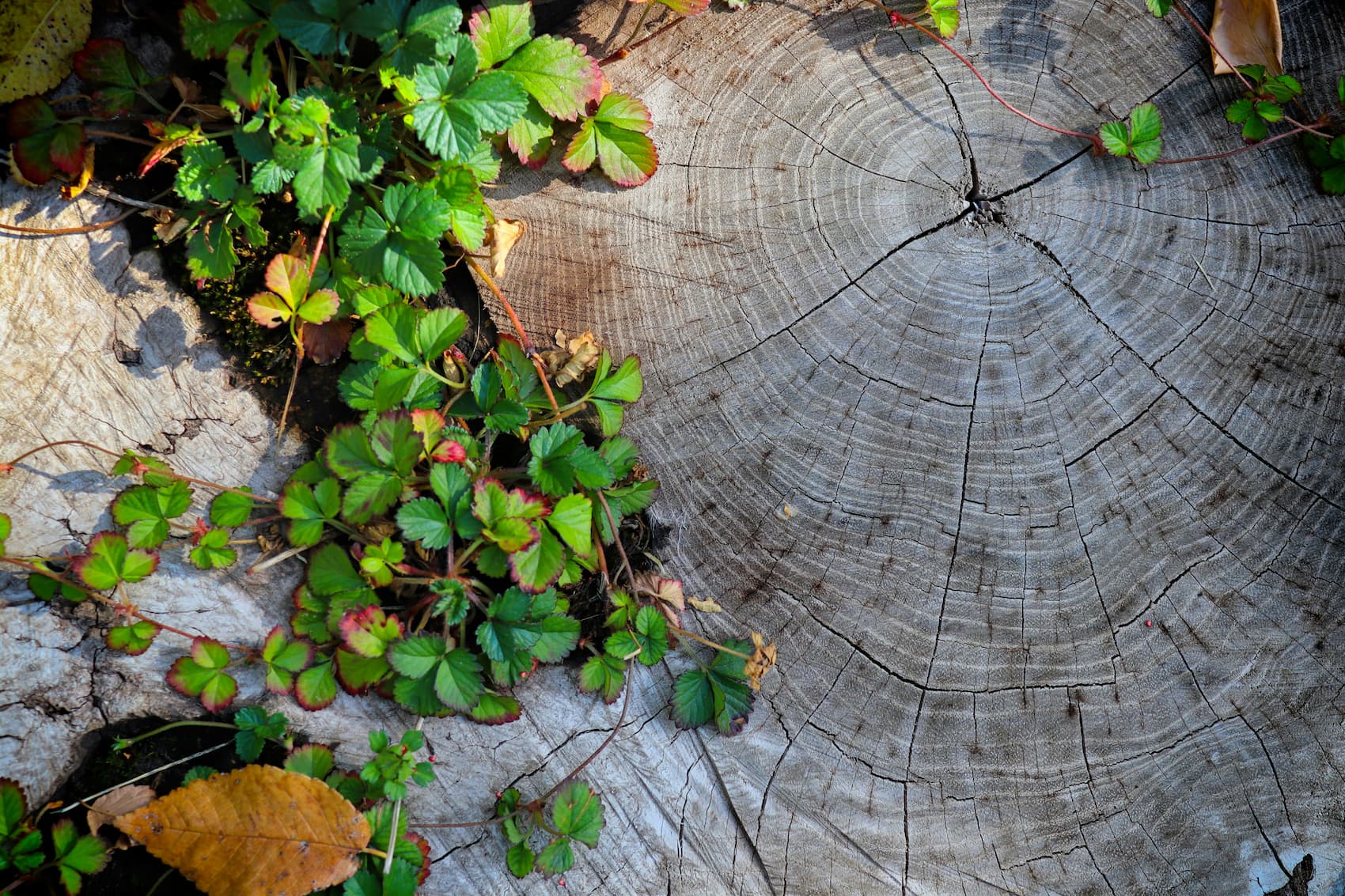
It’s a little like watching a tree grow. If you look at it every day, it may appear unchanged. Yet over months and years, the growth becomes undeniable.
Progress Doesn’t Always Feel Good
One of the most surprising aspects of growth is that it doesn’t always feel like improvement.
Sometimes growth feels uncomfortable.
A person working on anxiety may feel more anxious as they begin facing situations they previously avoided.
Someone learning to set boundaries may initially feel guilty.
A person becoming more emotionally aware may notice feelings they previously pushed aside.
From the outside, these experiences can look like setbacks.
In reality, they may be signs that someone is engaging with challenges in a new way.
Growth frequently involves moving toward discomfort rather than away from it.
As a result, feeling uncomfortable does not necessarily mean something is going wrong.
Sometimes it means something new is happening.
The “By Now” Trap
Many people carry an unspoken expectation:
“I should be over this by now.”
“Part of me thought I’d have this figured out already.”
“Why does it still feel like such a struggle?”
While understandable, these thoughts often create unnecessary suffering.
The problem is that they compare reality to an imagined timeline.
Yet life rarely follows the schedules we create in our minds.
Healing after a difficult relationship may take longer than expected.
Adjusting to a major life transition may take longer than expected.
Building confidence may take longer than expected.
When we become attached to a specific timeline, we can overlook the progress happening right in front of us.
Progress and Struggle Can Coexist
People often assume that progress means the absence of difficulty.
Therapy frequently reveals something different.
It is possible to:
- Make progress and still feel anxious.
- Grow and still have moments of self-doubt.
- Heal and still experience grief.
- Move forward and still have difficult days.
These experiences are not contradictions.
They are part of being human.
A person does not have to eliminate every challenge before growth becomes real.
In many cases, growth involves developing a new relationship with life’s inevitable challenges rather than making those challenges disappear.
A Different Way to Measure Progress
Instead of asking:
“Do I feel completely better?”
It may be helpful to ask:
- Am I responding differently than I would have a year ago?
- Am I more aware of my patterns?
- Am I making choices that align with my values?
- Am I recovering from difficulties more effectively?
- Am I willing to do things that matter, even when discomfort is present?
These questions often provide a more accurate picture of growth.
Progress is not always measured by how we feel.
Sometimes it’s reflected in how we’re responding to what’s happening.
A Final Thought
Feeling stuck can be frustrating.
At times, it may even seem like proof that nothing is changing.
Yet the feeling of being stuck and the reality of being stuck are not always the same thing.
Many people are growing in ways they have not yet fully recognized.
They are showing up differently.
Responding differently.
Practicing new behaviors.
Taking small steps that may not feel significant in the moment.
Growth is not always dramatic.
Often, it is quiet.
And sometimes, the most meaningful changes are happening long before we learn to see them.
Helpful Resources
American Psychological Association (APA)
Learn more about psychotherapy, emotional wellness, and psychological growth.
https://www.apa.org
National Institute of Mental Health (NIMH)
Evidence-based information about mental health and treatment.
https://www.nimh.nih.gov
Association for Contextual Behavioral Science (ACBS)
Resources on Acceptance and Commitment Therapy (ACT) and psychological flexibility.
https://contextualscience.org